1 tuote lisätty ostoskoriin











Ignore the hype – Thorsten Jülich collects Piaget, gold, and good stories
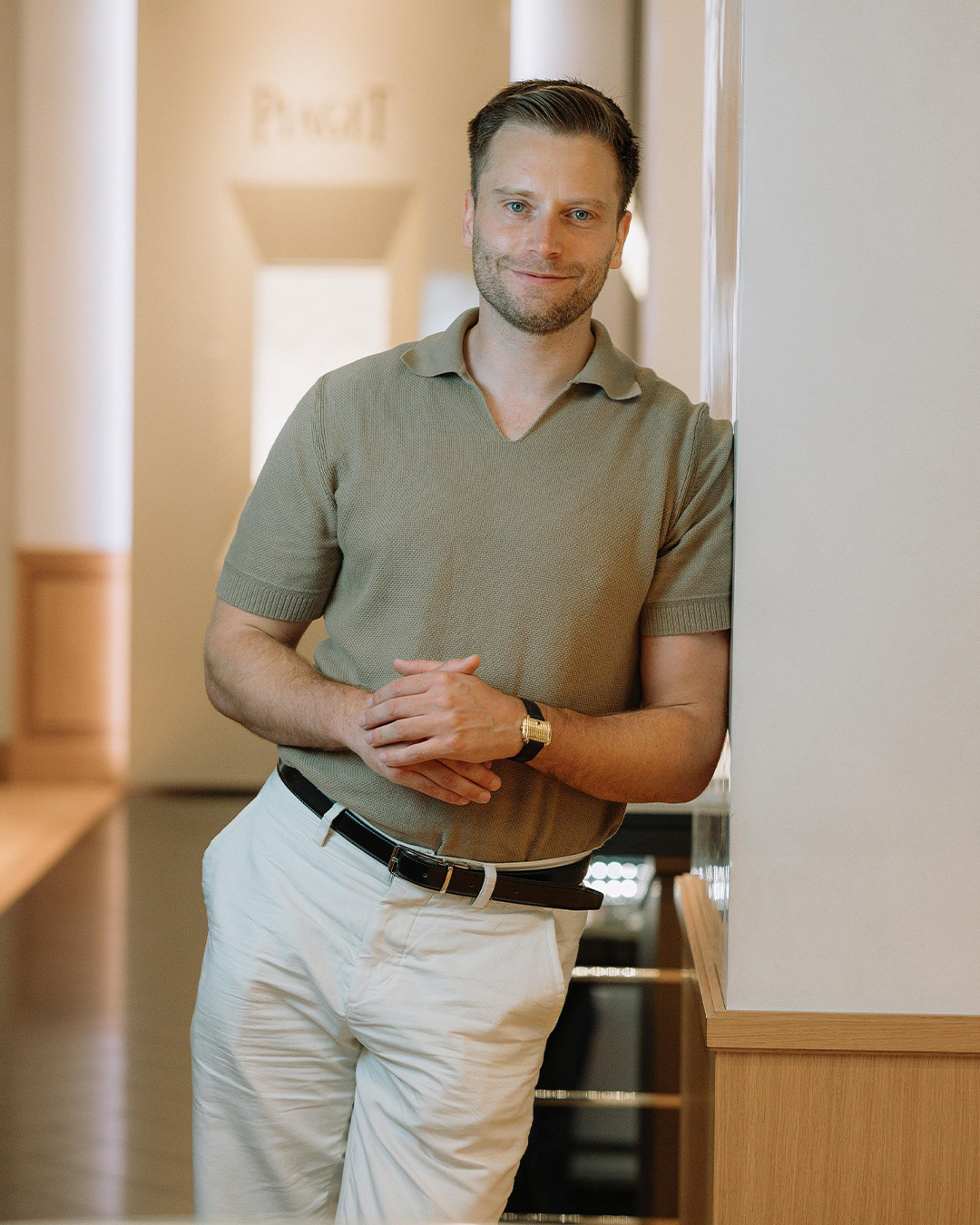
Meet Thorsten Jülich – the renowned Piaget collector @piagetcollector.
Kuvat: Thorsten Jülich
Teksti: Joakim rönnqvist
This week, I meet Thorsten Jülich, the man behind @piagetcollector. We talk about how it all started, why Piaget still feels like a bit of a secret in the watch world, and about unexpected encounters that only happen when you collect vintage watches.
There will be plenty of gold, many stone dials, and a clear theme: to collect with the heart, not according to what is popular.
It All Started with a Solid Gold Polo
When I ask Thorsten how his Piaget journey began, I expect a long story filled with countless hours on Google and other research. That's not what I get.
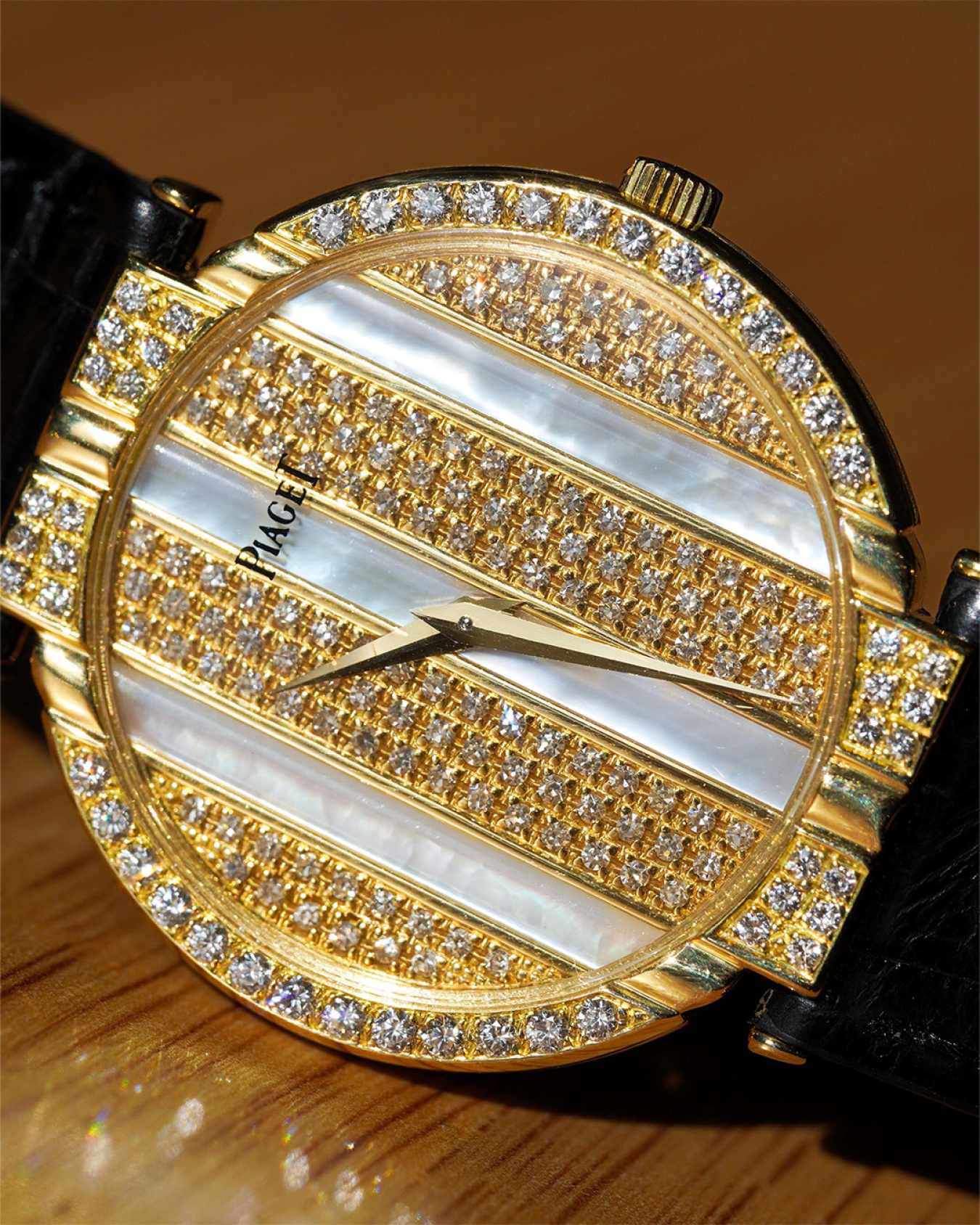
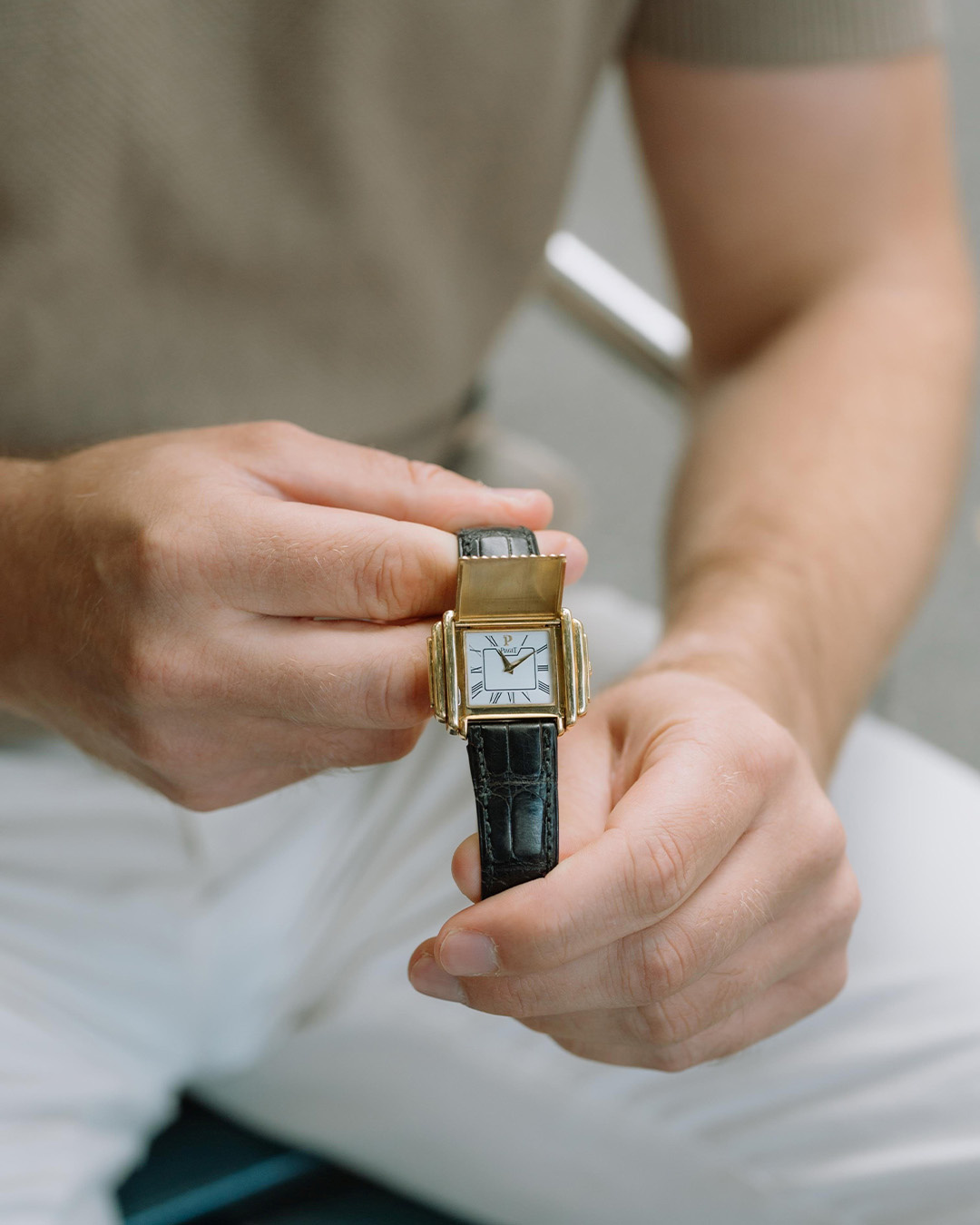
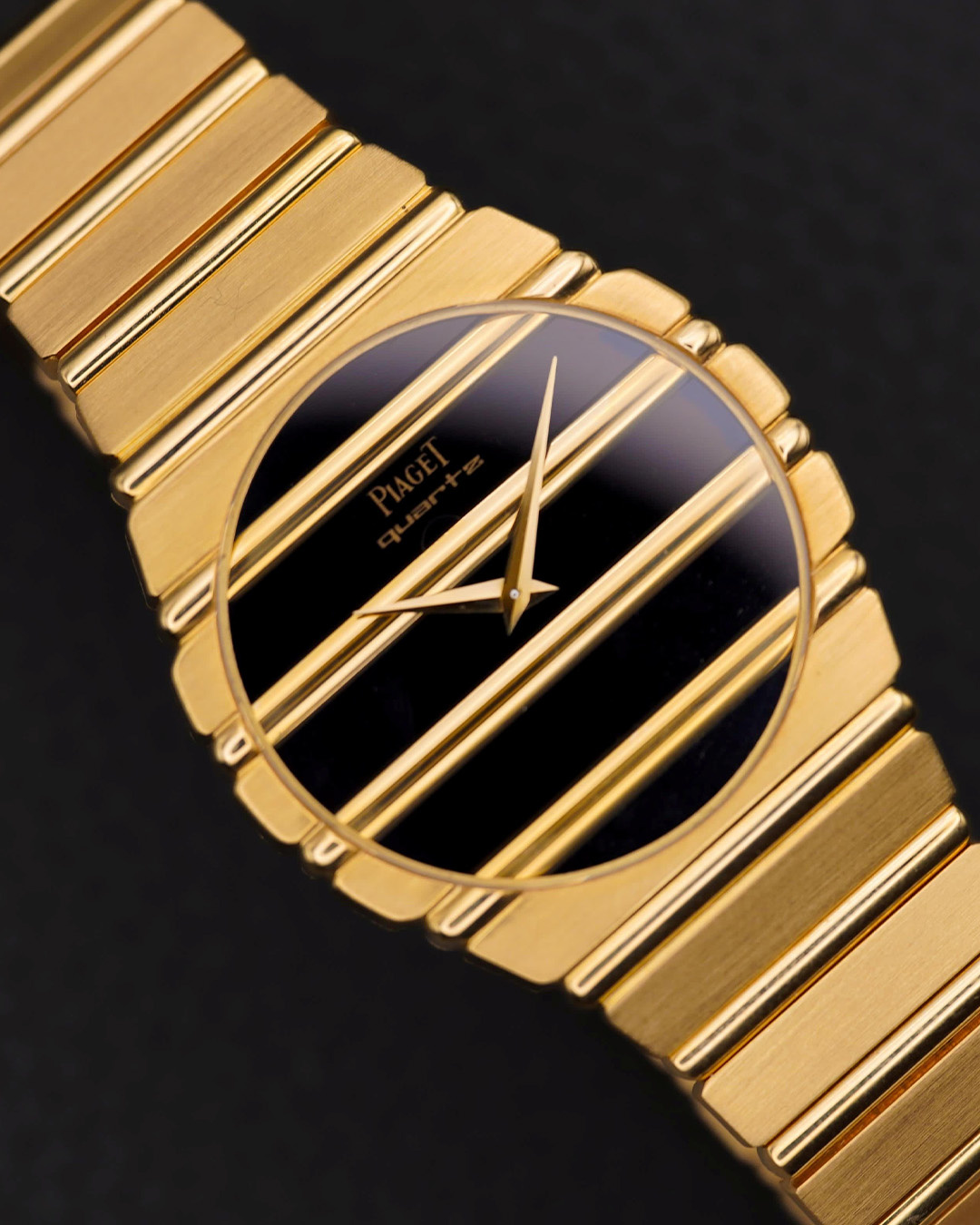
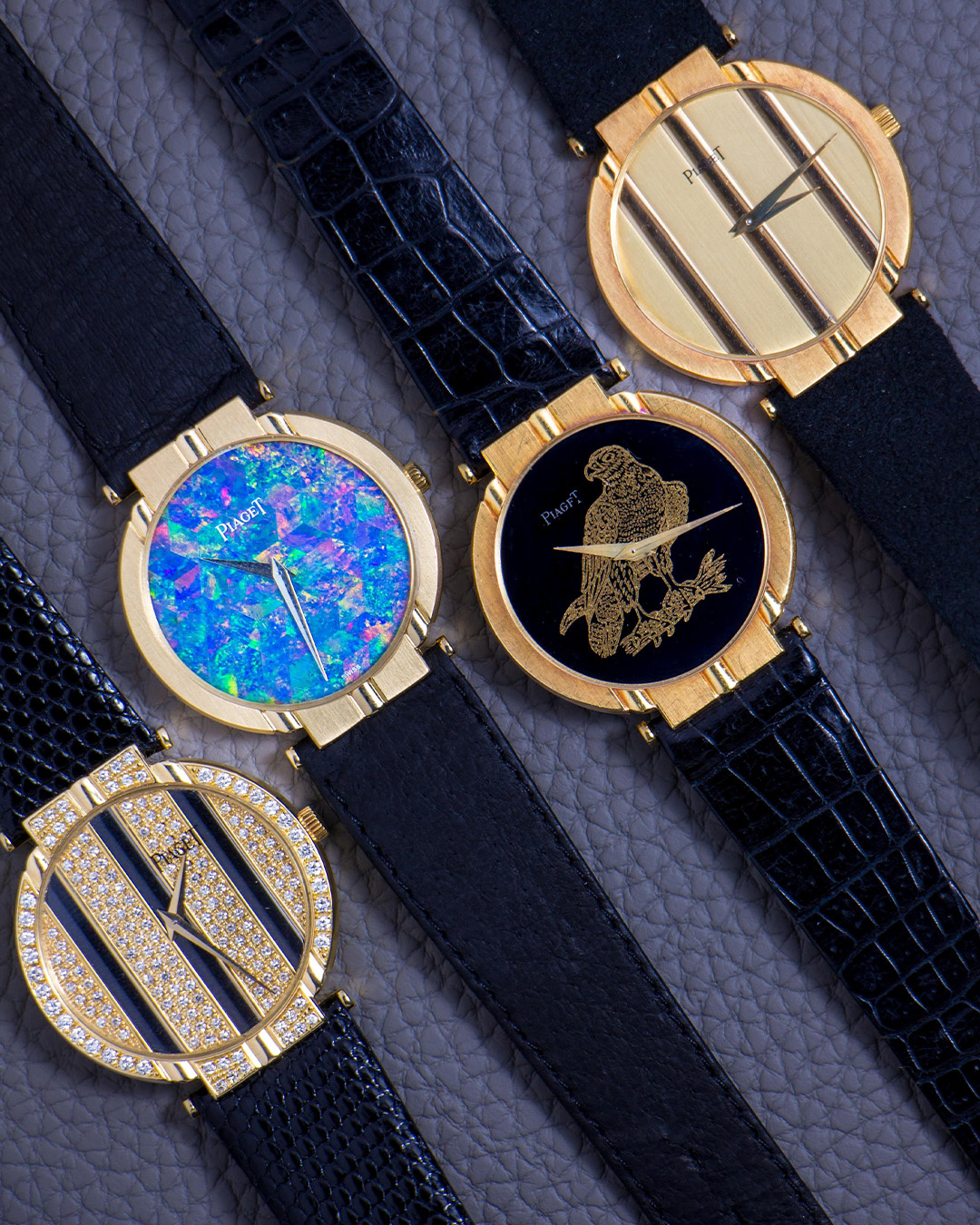
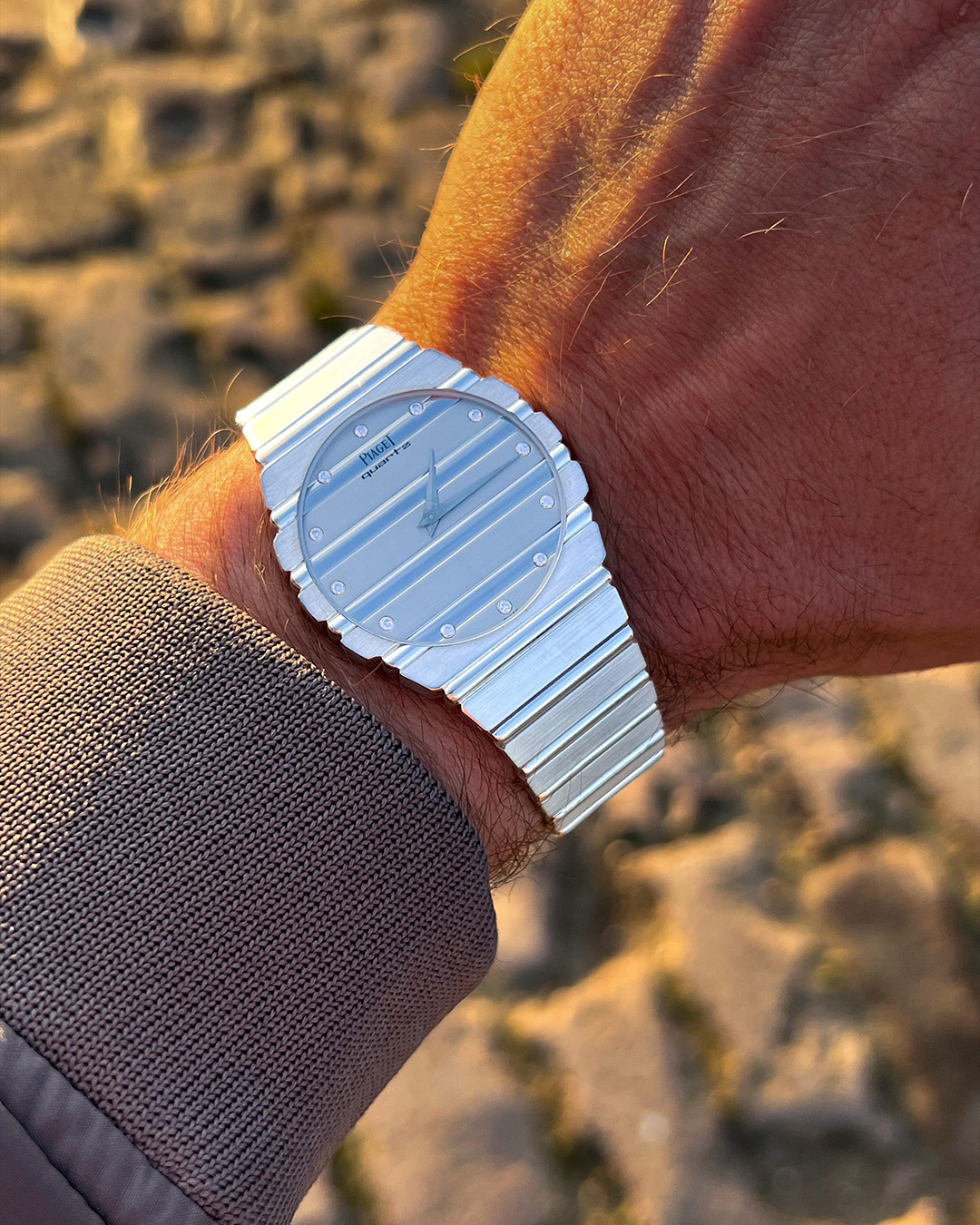
– It was a solid gold Polo. From the early '80s, he says. I wasn't even looking for a Piaget, but when I saw the horizontal gold lines that extended from the link straight into the dial... That's where it all began.
It wasn't logic. It was pure gut feeling.
– The friends I hung out with were only chasing steel watches: Royal Oaks and Daytonas. Piaget was going in a completely different direction – elegance, craftsmanship, gold. I liked that.
Design Comes First
As we continue our conversation, I quickly realize that Thorsten views Piaget differently than many collectors view their brands.
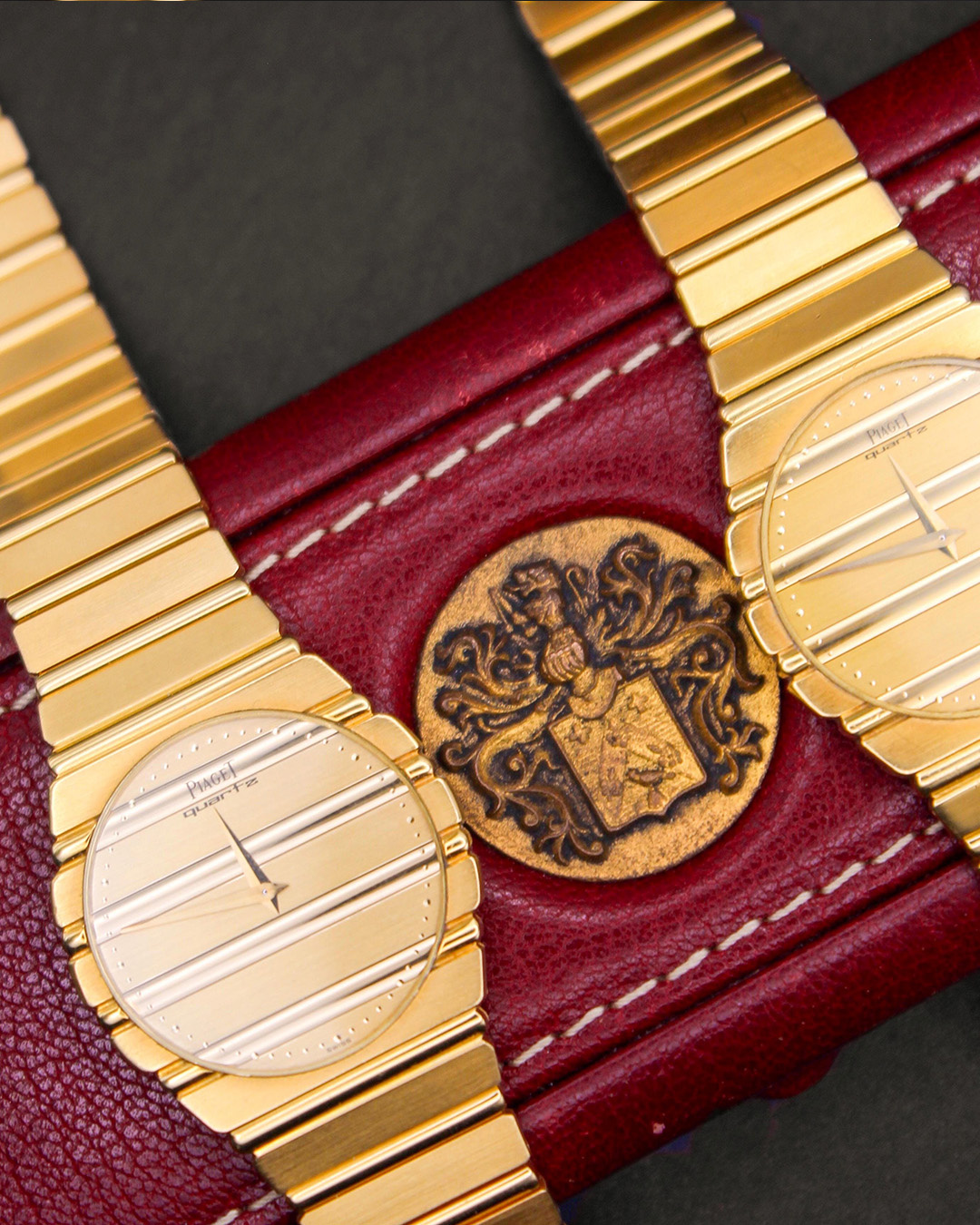
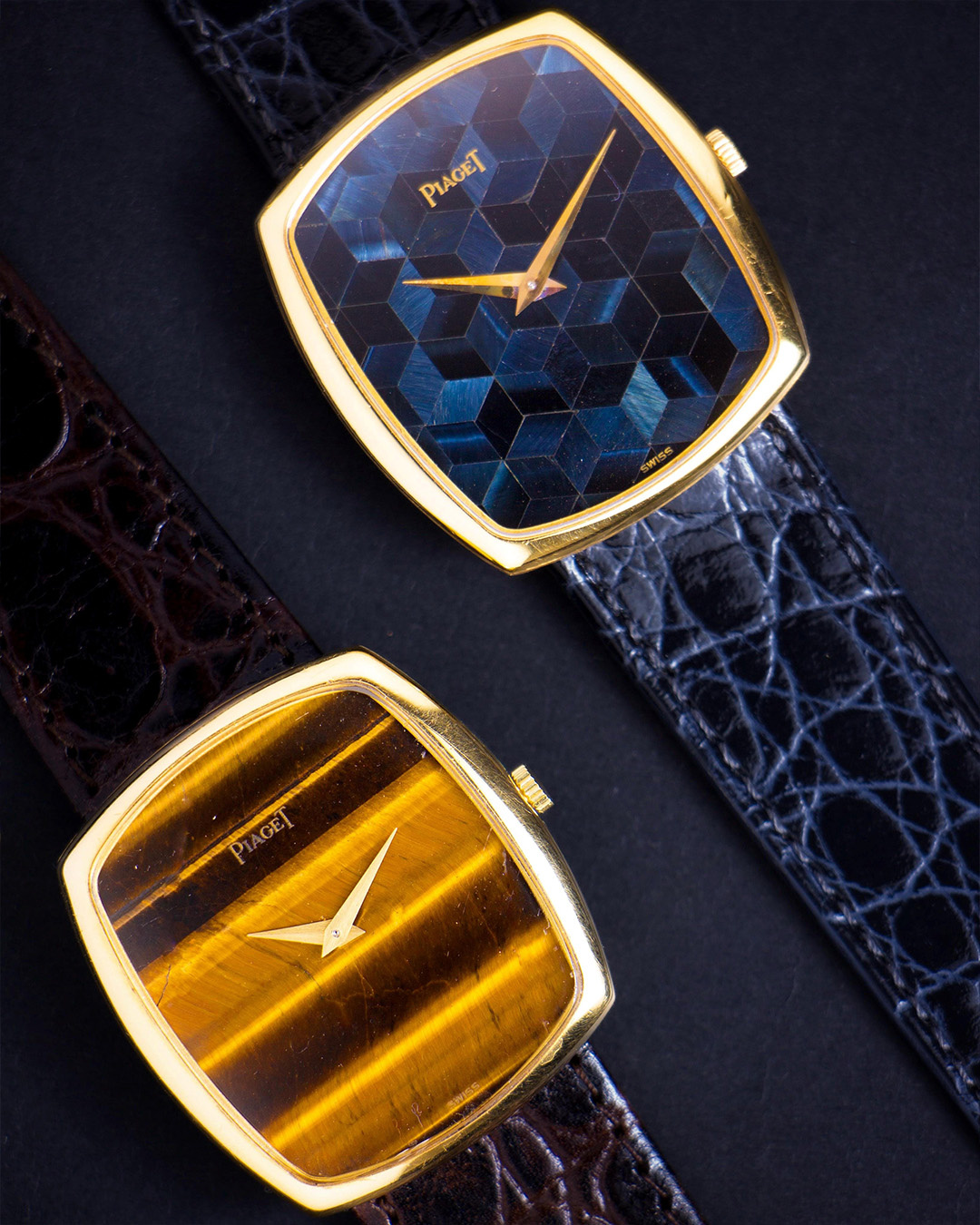
– Piaget experimented a lot. The shapes, the materials, the dials, the ultra-thin movements… everything feels well thought out. The 9P and 12P movements were far ahead of their time, but Piaget never talked much about it. They just did it.
When he looks for a new watch, he first seeks the feeling.
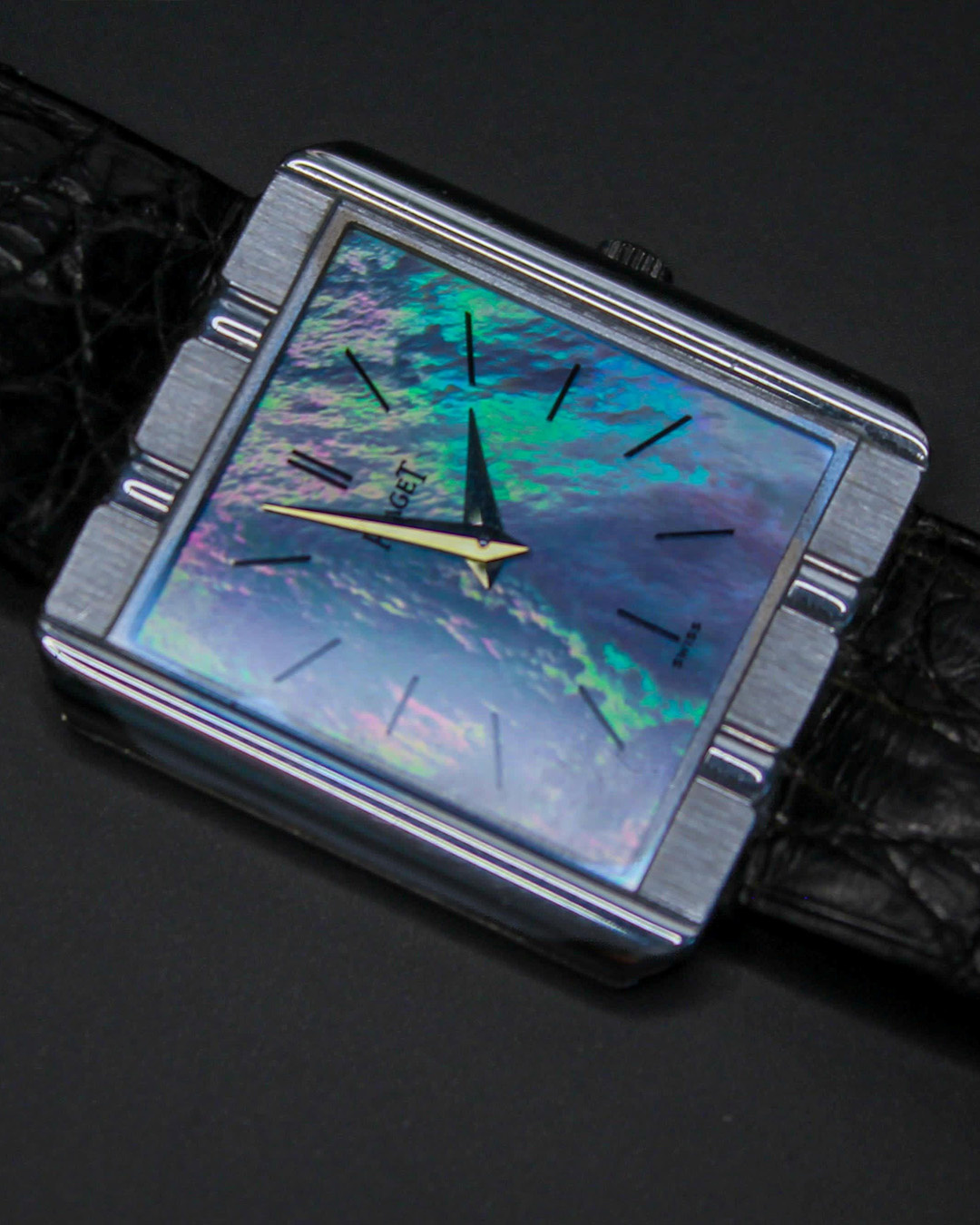
– A beautiful stone dial or a slightly unusual case shape – that’s what captures me. The movement is a bonus. The design is what draws me in.
Watches as Personal Expression
I ask him if he thinks that watch collecting has become more art than status in recent years. He nods immediately.
– People use watches more to express their style. Piaget was already doing this in the 70s and 80s. Color, shape, cuff watches... they didn’t make models that would fit everyone. They made watches for people who dared to stand out.
He mentions Andy Warhol as an example.
- Warhol wore Piaget for the expression. He didn’t even use the watches to check the time. And now people are starting to get the whole idea.
What do you think about Piaget’s blend of watchmaking and jewelry design?
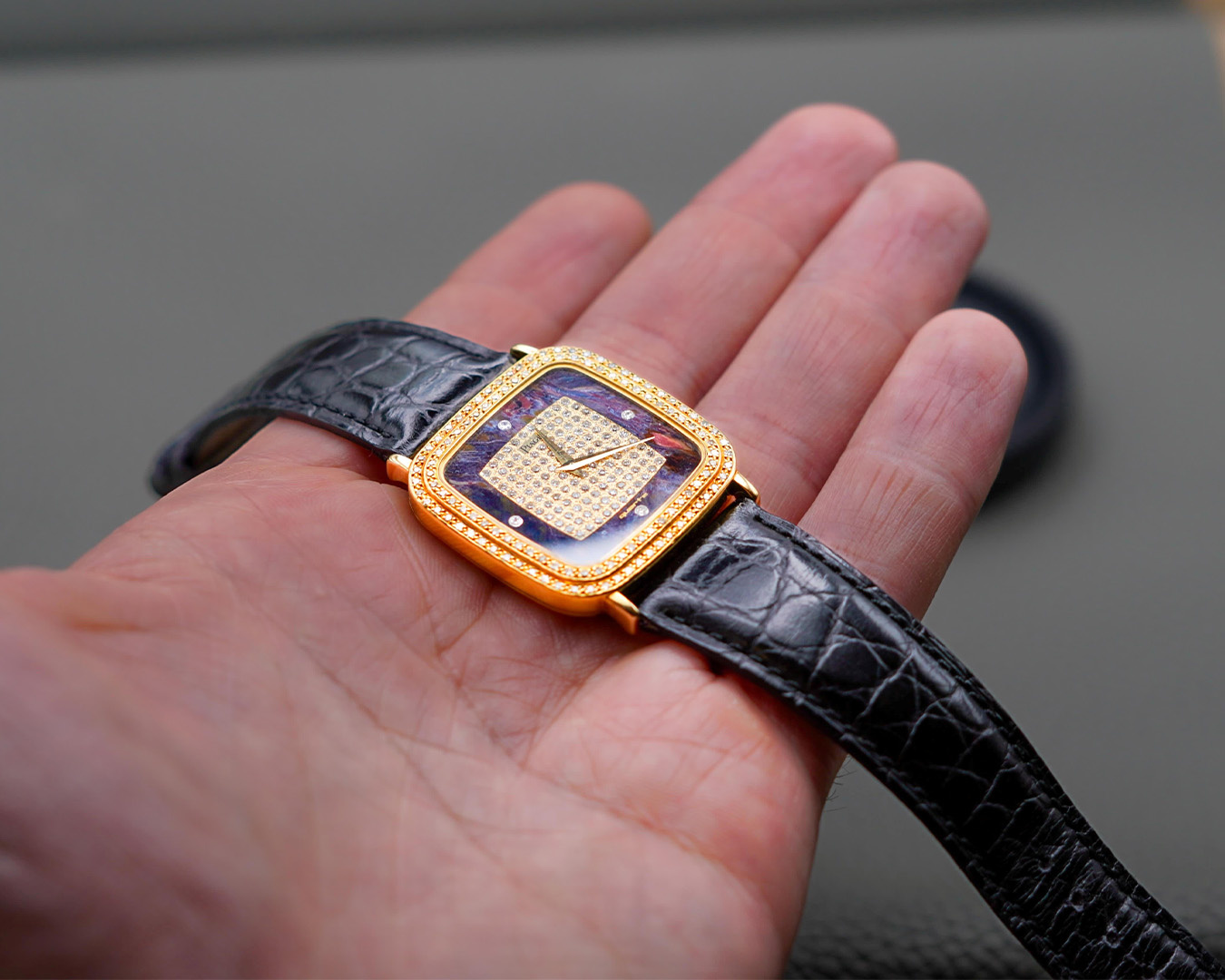
– To me, there’s no difference, says Thorsten. The link, the dial, the case — everything is made with the same precision as the movement. It’s like a piece of jewelry that you can wind up and use as a watch. That’s how I see them.
A Personal Archive
When I ask what he is really building up — a museum, a collection, or something entirely different — he thinks for a moment.
– Something in between. It’s a personal archive. I only collect things that I personally like, not what the market says you should have. If a watch has style and character, I’m interested.
He also has a favorite category that few talk about: Piaget Polos on leather.
– The references 8673, 9993, and a few others. Everyone wants the solid gold bracelets, but these have the same soul. Stone dials, slim profiles, beautiful proportions. Completely underrated. I have six of them now and I’m always looking for more.
Style and Sensibility in a Combined Mess
How do you think when matching watches and clothing?
– I wear what feels right. Some watches deserve a bit more than socks and sandals, that’s for sure, he says. But most of the time, it’s just about the feeling.
What are your future plans?
– I’ll keep collecting. I go after what gives me energy. I have a few projects in the works, but nothing set in stone. I like that it can grow naturally. Unexpectedly. A bit like Piaget.
Follow Thorsten
To see his latest finds and thoughts:
Instagram: @piagetcollector
Discover Pre-Owned & Vintage watches
Liittyvä lukeminen
-
Julien Toretto and the Art of Curating Watches
-
Meet the photographer and watch enthusiast Raffael Frenner
-

The Watches in The Gentlemen (and What They Say About The Characters)
-
Everything you want to know about Patek Philippe
-
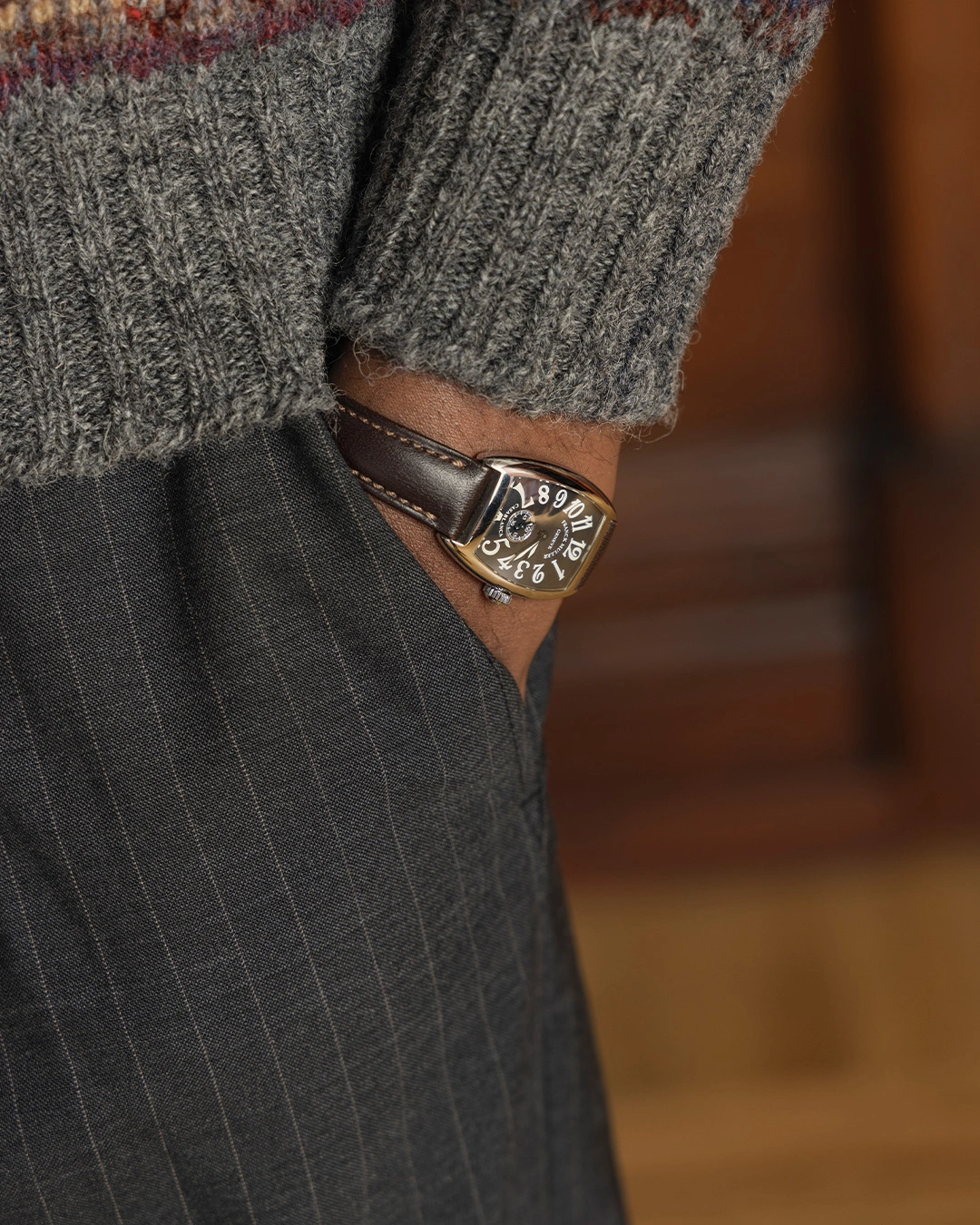
Three unique Pre-Owned & vintage watches – and the autumn look to go with them
-
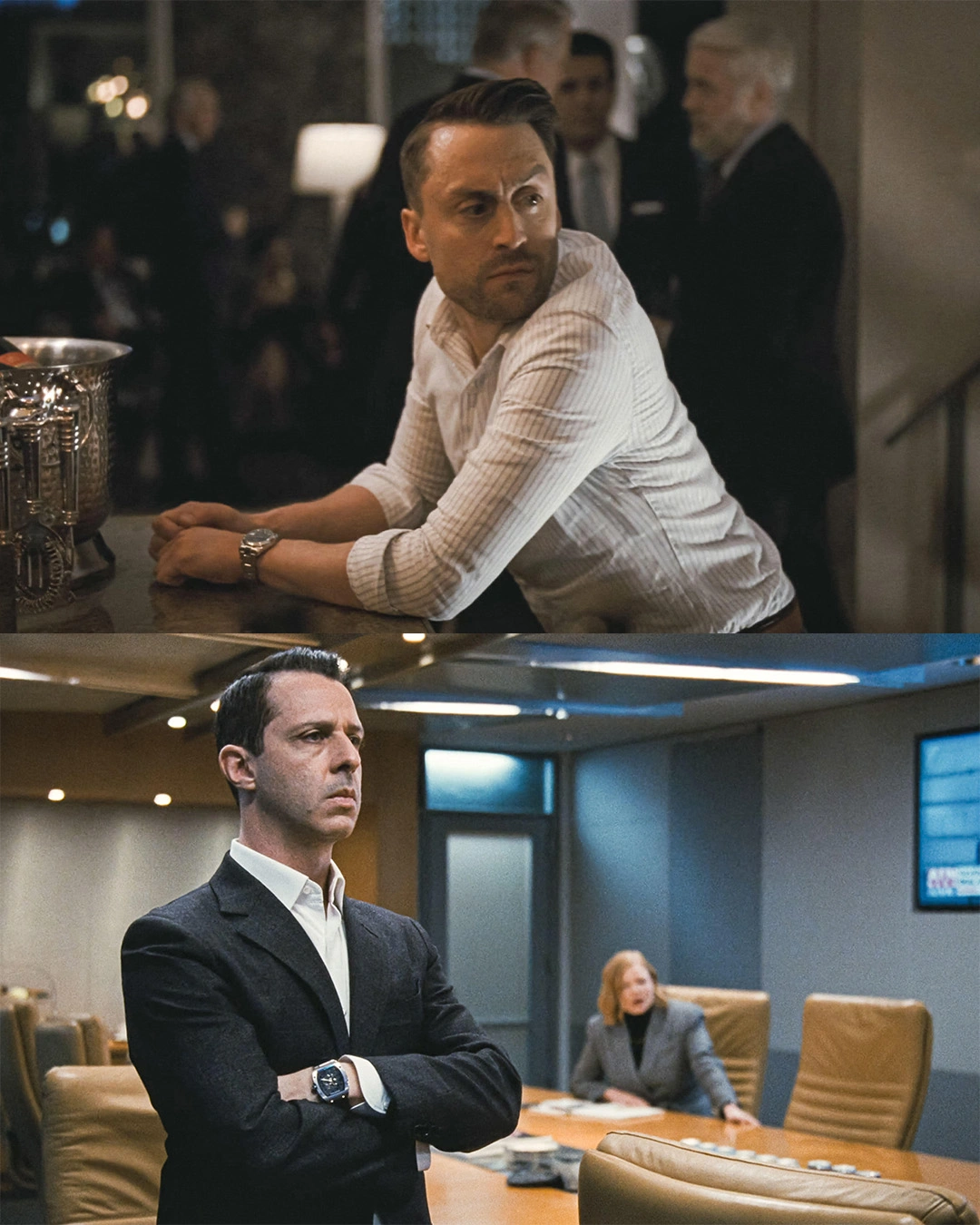
The Watches in Succession (and What They Say About the Characters)